Lost Pet Protection in Olathe & Overland Park, KS
Pet Microchipping
Permanent ID That Brings Pets Home.
* Schedule a visit today
Permanent Pet Identification for Lifelong Peace of Mind
What is a Microchip?
A pet microchip is a tiny RFID chip that stores a unique identification number. It does not track your pet’s location, but when scanned by a veterinarian or shelter, the number links to your contact details in a pet recovery database. This makes microchips one of the most reliable ways to identify and recover a lost pet.
The Importance of Microchipping
Microchips Bring Pets Home.
Every year, millions of pets go missing, and most are never reunited with their owners. Microchipping changes those odds dramatically. Microchipped dogs are returned home over 52% of the time, while only 22% of non-chipped dogs make it back. For cats, chipped pets are nearly 20 times more likely to be reunited with their families.
Microchip vs. Collar Tags
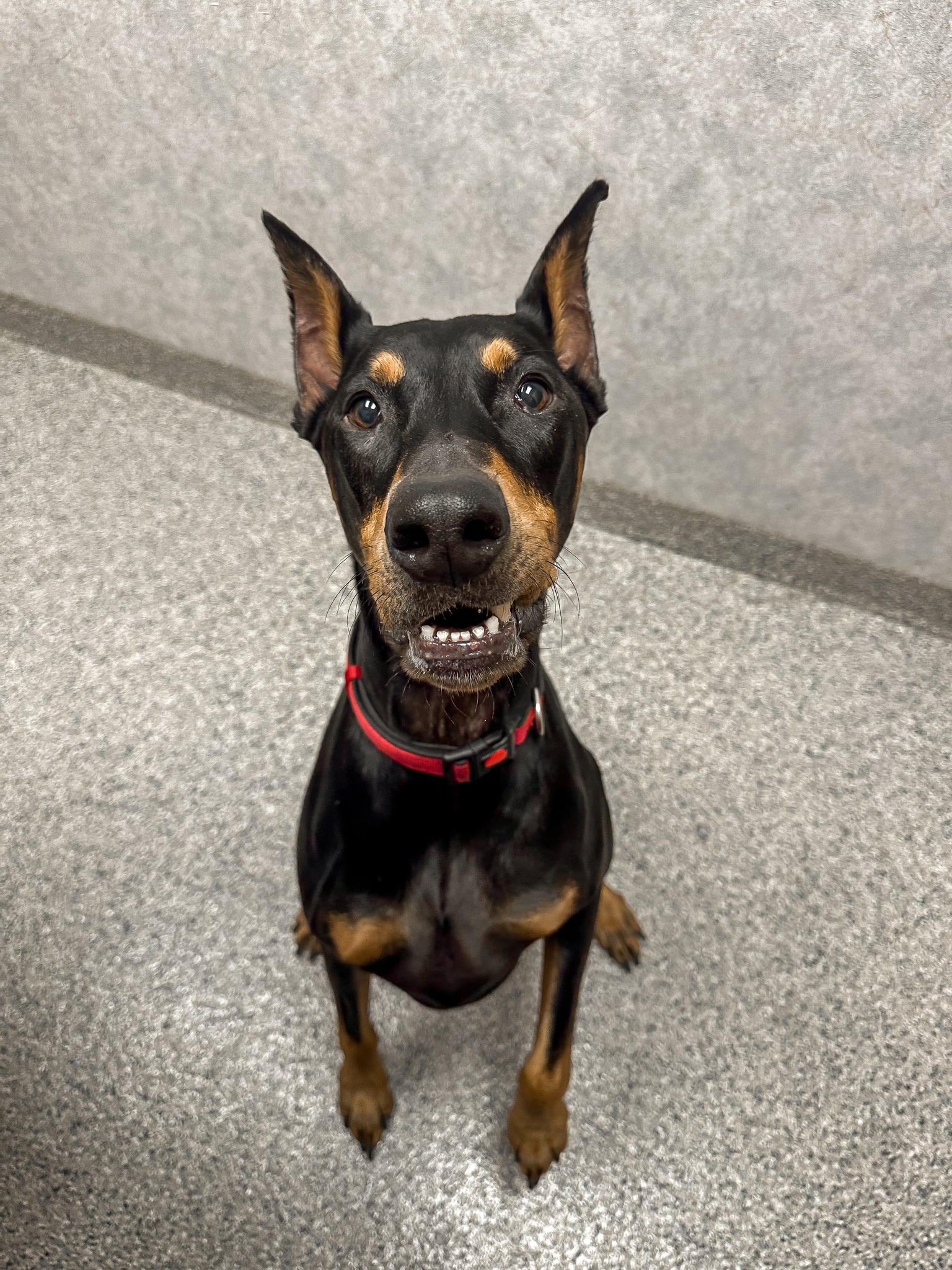
Traditional ID tags and microchips both play a role in keeping pets safe, but they work in very different ways. Tags are visible and easy to read, while microchips offer permanent, tamper-proof identification that stays with your pet for life. Understanding the difference helps you choose the best combination of protection.

Pet Microchip
Tamper-proof and cannot be removed or lost
Provides lifelong identification with a single quick procedure
Universally recognized by scanners at clinics and shelters
Collar Tag
Easy to read without special equipment
Prone to damage, loss, or removal
Only effective if the collar stays on the pet
Steps to Help Bring Your Pet Home
What To Do If Your Pet Goes Missing
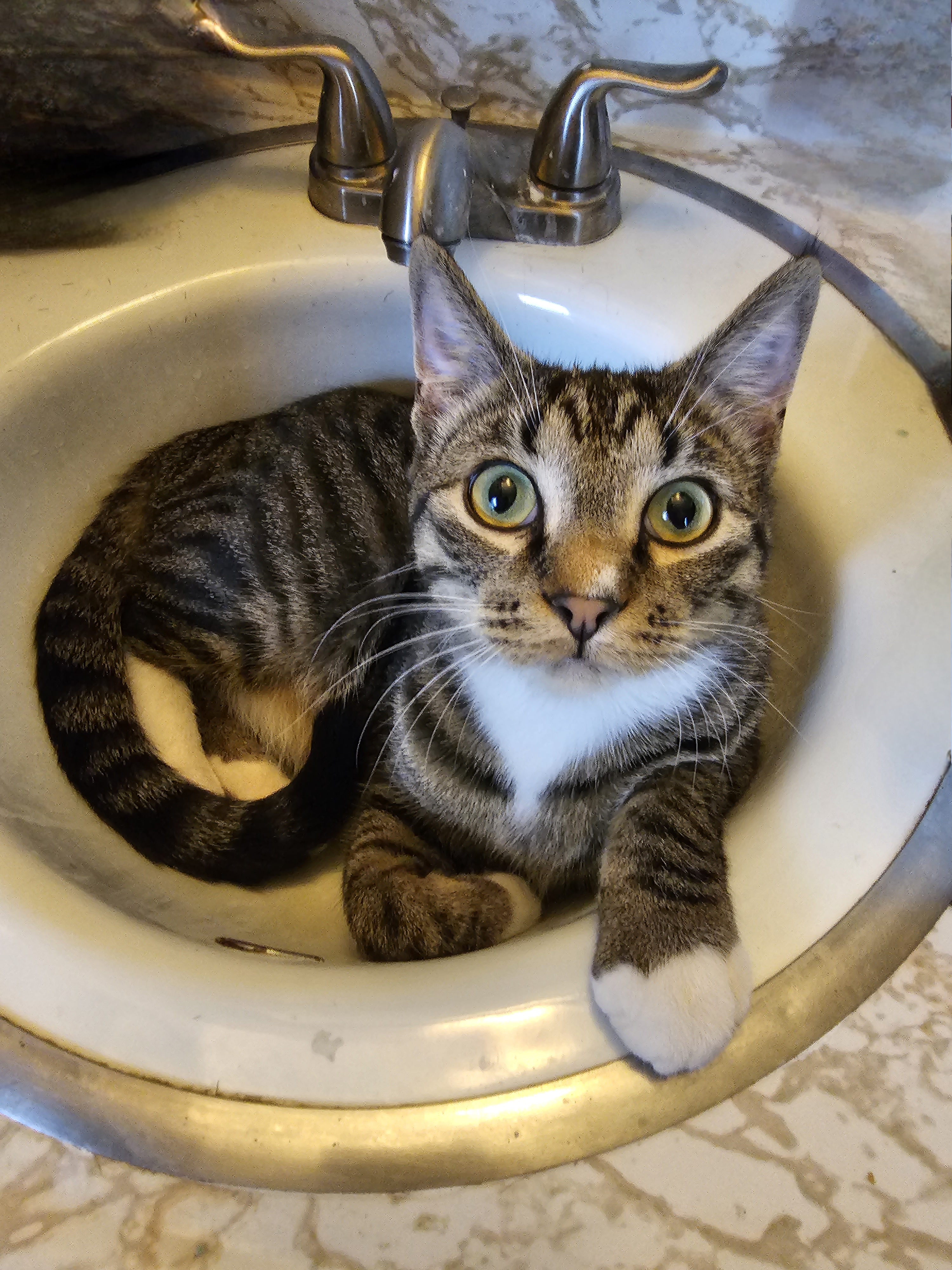
Pets can go missing despite our best efforts, whether it’s a startled dash out the door or a curious adventure gone too far. In moments like these, what you do in the first few hours matters most. The following steps can help you stay focused and increase the chances of bringing your pet home quickly.
- Search Your Immediate Area First: Most lost pets are found close to home. Check hiding spots, under porches, garages, and nearby yards before expanding the search.
- Notify Local Shelters and Vet Clinics: Call and visit nearby shelters, animal control, and veterinary offices. Share a clear photo and description, and confirm your microchip information is up to date.
- Post on Local Lost Pet Networks: Share on neighborhood apps, Facebook groups, and lost pet sites like PawBoost and Nextdoor. Include a recent photo, location last seen, and your contact info.
- Place Familiar Items Outside: Leaving your pet’s bed, blanket, or a piece of worn clothing near your home can help them find their way back using scent.
MICROCHIPPING FAQS
Frequently Asked Questions
Does microchipping hurt my pet?
The procedure feels similar to a standard vaccination. A small needle is used to place the chip just under the skin, and most pets show little to no reaction. No anesthesia is needed, and the entire process takes only a few seconds.
Can a microchip move or cause health problems?
Microchips are made of biocompatible material and are designed to stay in place. In rare cases, a chip may shift slightly, but it continues to work normally. Health complications are extremely uncommon, and the chip does not interfere with your pet’s body in any way.
What if I adopted a pet that's already microchipped?
Bring your new pet in for a quick scan to retrieve the chip’s ID number. From there, you can contact the registry to update the contact information to yours. Updating the registry is essential, since an outdated chip cannot help reunite you with your pet.
How do I check if my pet's chip is registered?
You can verify registration by entering your pet’s microchip number at the AAHA Universal Pet Microchip Lookup tool (petmicrochiplookup.org) or by contacting the registry associated with the chip. Our team can also help you confirm and update your pet’s information.
Does a microchip track my pet's location?
No. Microchips are not GPS devices. They do not transmit signals or track movement. A microchip only provides identification when scanned by a veterinarian or shelter, which then links to your contact details in a recovery database.
Protecting Pets in Our Community
Add Your Pet to a Growing Community of Protected Families
Microchipping is one of the simplest ways to give your pet a lifetime of protection. Across our community, more pet families are choosing this small but powerful step toward peace of mind. At Bradford Pet Hospital, we make the process quick, comfortable, and reliable, helping ensure that if your pet ever gets lost, they have the best chance of making it home.
Join our community of protected pets. Book your microchip appointment today!