Trusted Pocket Pet Vets in Olathe & Overland Park, KS
Pocket Pet Vets
Expert Care for Rabbits, Ferrets, Guinea Pigs, Hamsters & Hedgehogs
* Small patients, big welcome
Small Pets. Real Medicine.
Pocket Pet Vets in
Olathe & Overland Park, KS
Finding a vet who sees pocket pets shouldn’t be the hardest part of owning one.
Many clinics only treat dogs and cats — but rabbits, ferrets, guinea pigs, hamsters, and hedgehogs deserve real veterinary care too. These small companions have their own anatomy, their own diets, and their own way of getting sick: as prey animals, they hide illness until they can’t, and their small bodies leave little time to waste once something goes wrong.
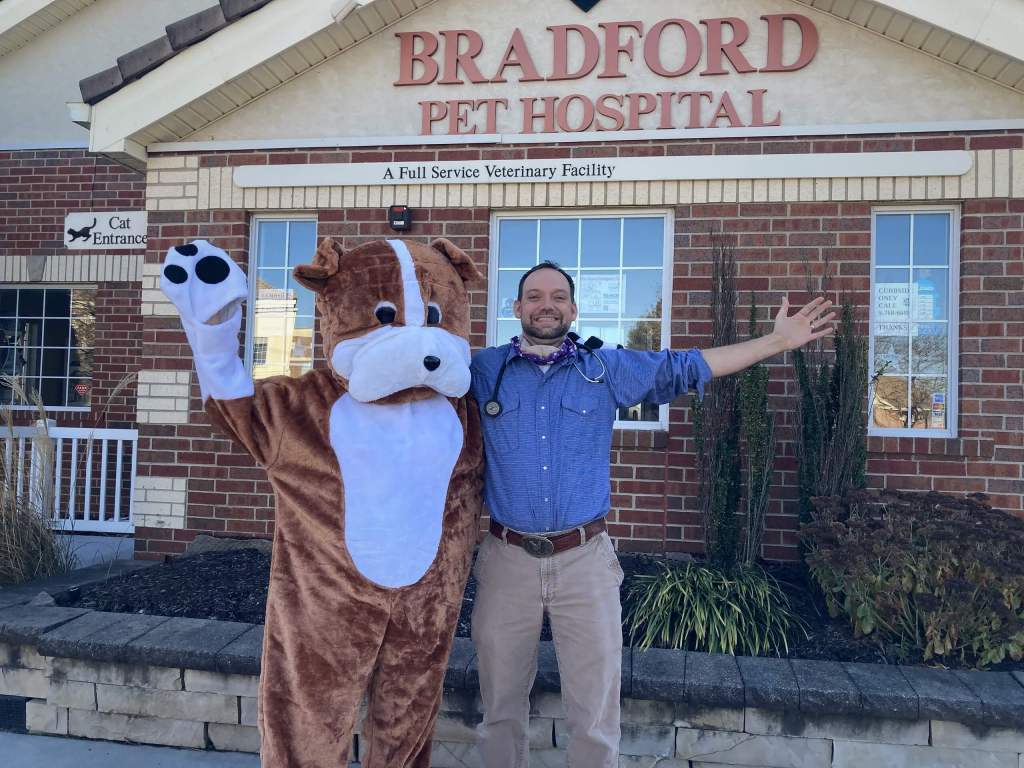
Bradford Pet Hospital welcomes pocket pets for checkups, sick visits, and honest husbandry advice. Have a small companion that isn’t on our list? Call us — we’ll tell you straight whether we’re the right fit.
Why Pocket Pets Need a Vet Too
- Prey animals hide everything – Rabbits and rodents mask illness even better than cats do. By the time a pocket pet looks sick, it usually is — urgently. Checkups catch it sooner.
- Small bodies move fast – A rabbit or guinea pig that stops eating for even a day can spiral into dangerous digestive shutdown. With small pets, “wait and see” is rarely safe.
- Husbandry is half of health – Diet, hay, vitamin C, bedding, and temperature cause — or prevent — most of the problems we see. Every visit includes a setup review.
- Teeth that never stop growing – Rabbit, guinea pig, and hamster teeth grow continuously. Regular checks stop overgrowth before it stops them from eating.
- Species-specific everything – Dosing, handling, and normal vital signs are different for every small species — your pocket pet deserves a team comfortable with all of it.

Services
Veterinary Care for Pocket Pets
From a first wellness visit to a worrying sick day, here’s what we provide for the small companions of Olathe and Overland Park — always with quiet rooms and gentle hands sized to the patient.

Wellness Checkups
- Yearly exams for eyes, ears, teeth, coat, feet, and belly
- Weight tracked to the gram — where small changes show first
- New-pet checkups that start ownership off right
Sick Visits & Diagnostics
- Prompt attention for appetite loss, lethargy, and digestive slowdown
- Lab work and imaging scaled to very small patients
- Minimal-stress handling that keeps fragile pets safe
Husbandry & Nutrition
- Species-correct diet plans — hay first for rabbits, daily vitamin C for guinea pigs
- Habitat, bedding, and temperature guidance that prevents illness
- Honest answers about what your pet actually needs (and doesn’t)
Species-Specific Care
- Dental checks for the ever-growing teeth of rabbits and rodents
- Vaccination guidance for ferrets
- Nail trims and routine care sized to small companions
Who We See — and What We Watch For
Every species on our small-patient list comes with its own quirks. Here’s what your veterinarian pays special attention to for each.
- Rabbits: Teeth, digestion, and diet — hay-first feeding keeps both moving. We also advise on spay and neuter timing.
- Guinea pigs: Daily vitamin C, dental health, and foot and skin checks — the classic cavy trouble spots.
- Ferrets: Vaccination guidance, diet, and screening for the conditions that show up in middle age.
- Hamsters & hedgehogs: Habitat and temperature setup, skin and quill checks, and weight — where tiny bodies show trouble first.
What a Pocket Pet Visit Looks Like
FAQs
Pocket Pet Questions, Answered
What counts as a pocket pet?
Pocket pets are small companion mammals — rabbits, ferrets, guinea pigs, hamsters, and hedgehogs are the ones we see at Bradford Pet Hospital. If your small companion isn’t on that list, give us a call and we’ll let you know whether we can help or point you to someone who can.
Do pocket pets really need vet checkups?
Yes — arguably more than most pets. Pocket pets are prey animals that instinctively hide illness, and their small bodies decline quickly once something goes wrong. A yearly checkup catches dental, skin, and weight problems early, and a husbandry review often prevents the next problem entirely.
What are signs my pocket pet is sick?
Not eating, fewer or smaller droppings, hiding, lethargy, drooling or a wet chin, weight loss, overgrown-looking teeth, sneezing, or scratching more than usual. Take appetite changes seriously: a rabbit or guinea pig that stops eating for even a day can develop dangerous digestive shutdown and should be seen promptly.
How much does a pocket pet vet visit cost?
It depends on the species and what the visit involves — a wellness checkup is different from a sick visit with diagnostics. Call us at (913) 768-6688 and we’ll give you an estimate. Bradford Pet Hospital accepts Cherry payment plans, CareCredit, and All Pet Card.
How do I transport my pocket pet to the vet safely?
Use a small, secure carrier with familiar bedding from home and a hiding spot — a towel over part of the carrier helps. Keep the car comfortable: pocket pets are sensitive to heat and cold, so pre-warm or pre-cool before loading. Bring a photo of their habitat and a list of exactly what they eat; both make the visit more useful.
Why does my pocket pet’s diet and habitat matter so much?
Because most common pocket pet illnesses start there. Rabbits and guinea pigs need constant hay to keep their ever-growing teeth and digestion healthy, guinea pigs need vitamin C daily, and bedding, temperature, and cage setup drive skin and respiratory problems. That’s why every visit includes a husbandry review — fixing the setup often fixes the pet.
About Our Veterinary Care
Your Pocket Pet Deserves a Real Vet
Bradford Pet Hospital welcomes rabbits, ferrets, guinea pigs, hamsters, and hedgehogs across Olathe, Overland Park, and the surrounding Johnson County communities. A yearly checkup plus a good habitat setup prevents most of what goes wrong with small companions — and when something does go wrong, you’ll already have a vet who knows them.
New pocket pet at home, or a small companion who’s never seen a vet? Book online or give us a call — small patients get a big welcome here.